Hospital Turned Museum
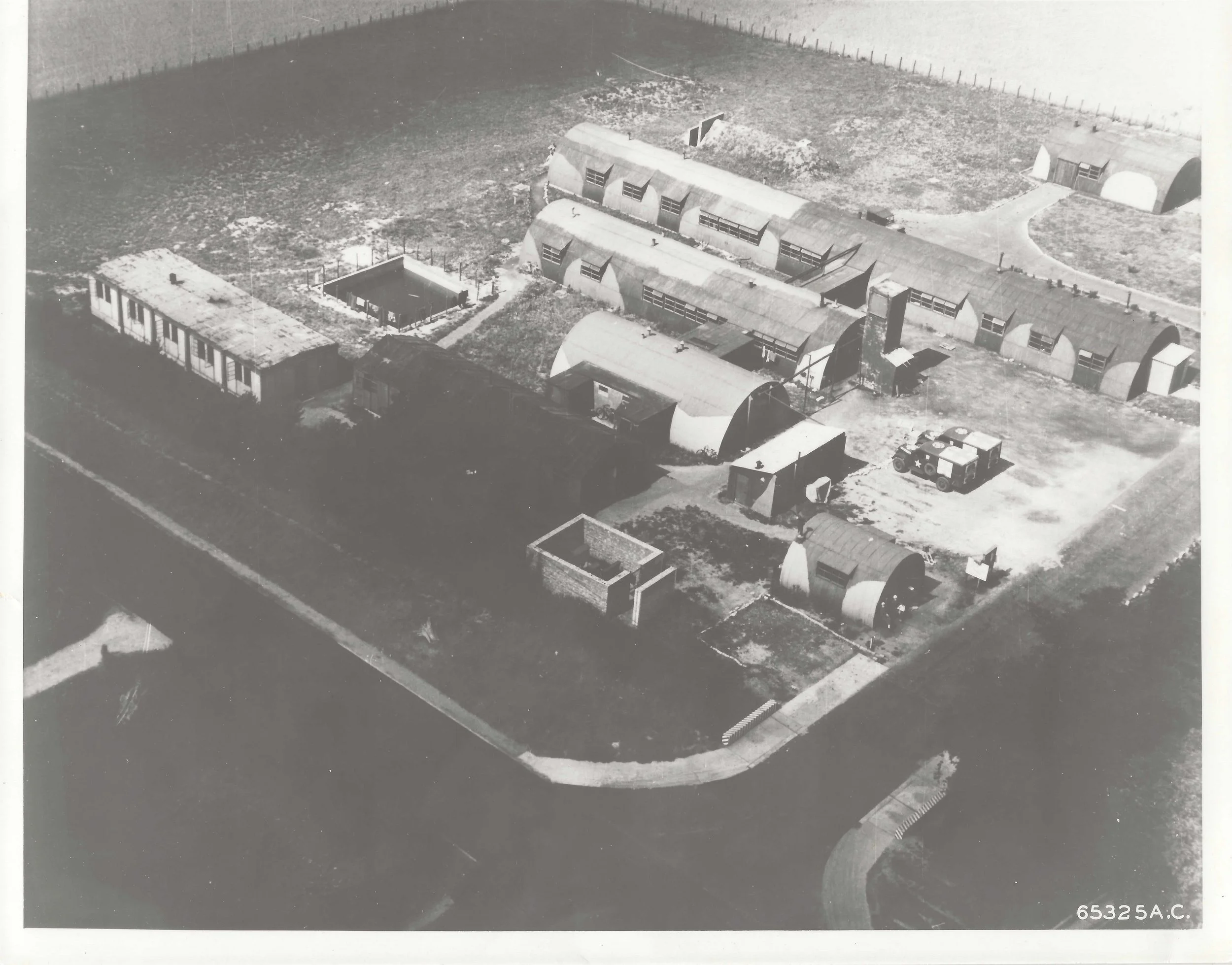
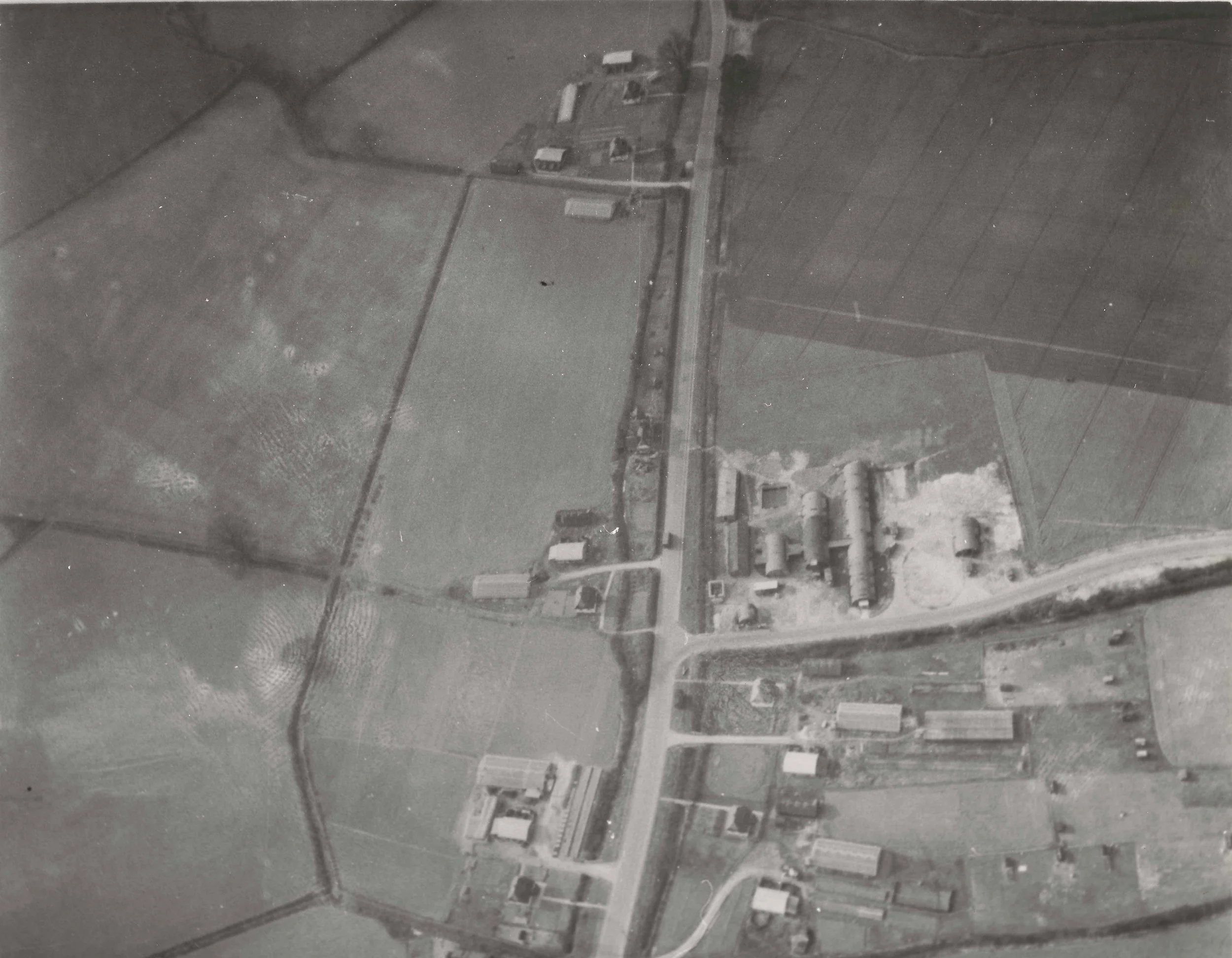
We are standing in one of the wards that once formed part of RAF Ridgewell’s hospital. Built in 1941 for the RAF, the airfield took fifteen months to complete. Before being handed over to the Americans in June 1943, the RAF flew 51 operations from here, losing 28 aircraft and 132 men.
Under the USAAF, Ridgewell became home to nearly 3,000 servicemen. During the war the station had 36 hardstands, 445 buildings, 3 runways, and two T-2 hangars. The commanding officers of the 381st Bomb Group were Colonel Joseph Nazzaro, Colonel Harry Leber, and Colonel Conway Hall.
The 381st flew 296 missions from Ridgewell and lost 131 B‑17s during that time. April 25th,1945 marked the group’s final combat mission from Ridgewell. In total, 619 men were killed in action, 686 became prisoners of war, 61 evaded capture, and 41 were interned in neutral countries — a combined casualty total of 1,407 men.
In the 1990s, local historian Tony Ince began displaying his growing collection of wartime memorabilia outside this building. Tony had been a schoolboy during the war and made many friends on the airfield, including the crew and ground crew of the B‑17 The Joker.
By 2000, his collection had expanded enough to fill a small section of this Nissen hut, and it was during this time that the Ridgewell Airfield Commemorative Association Museum was established. Tony passed away later that year, but his collection was carefully protected and curated by Alan and Monica Steele, ensuring Tony’s work lived on.
Several years ago, the building’s landlords granted permission for the museum to expand, allowing the entire Nissen hut to be restored and opened as a dedicated exhibition space. Today, it houses a rich collection of artefacts that tell the story of RAF Ridgewell, from its RAF origins to its years as home to the 381st Bomb Group.
The museum is open on the second Sunday of each month, April through September. Admission is free, and donations are warmly appreciated.
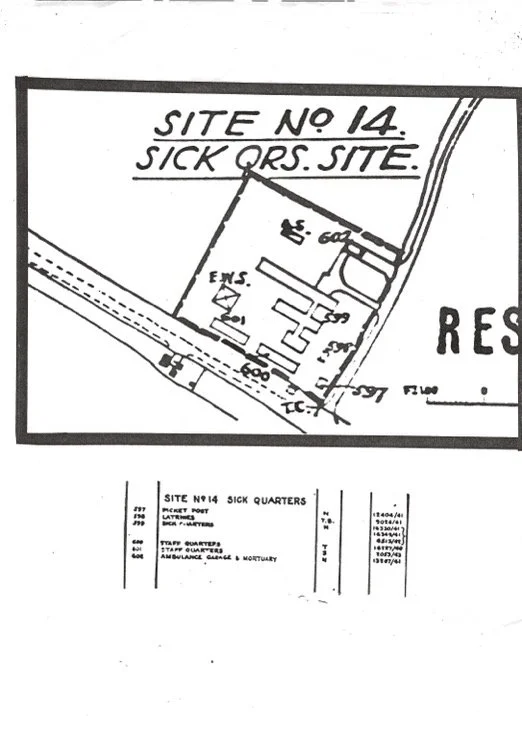
Sick Quarters
Most cases brought to the hospital after the Americans arrived at Ridgewell were injuries caused by bicycle accidents. However, in early July 1943, hundreds of men across the base suddenly fell ill with nausea, vomiting, and diarrhoea. Numerous inspections were carried out to determine the cause. The tap water’s light‑brown colour raised suspicion, and further testing confirmed contamination in the supply. A purifier, softener, and chlorinator were added to the system, and the outbreak quickly subsided.
The hospital generally treated minor wounds sustained on bombing missions. Five ambulances and two flight surgeons were positioned near the control tower and at the ends of the runways when the B‑17s returned. If an aircraft had wounded aboard, the crew fired a red flare during their approach to signal that assistance was needed. Casualties were then quickly removed to the station hospital. More serious cases were sent directly to the large USAAF hospital at White Court Park, a 750‑bed facility near Braintree. The site is now a housing estate.
Ambulance Garage and Mortuary
At the end of June 1943, the Americans expanded the hospital by adding an officers’ ward to the station sick quarters. The hospital was linked to the rest of the airfield by a round‑the‑station bus service, which took about 20 minutes to complete a circuit. Most airmen, however, preferred to get around the base on bicycles they bought from local shops, or they walked.