

Gym/Chapel/Cinema
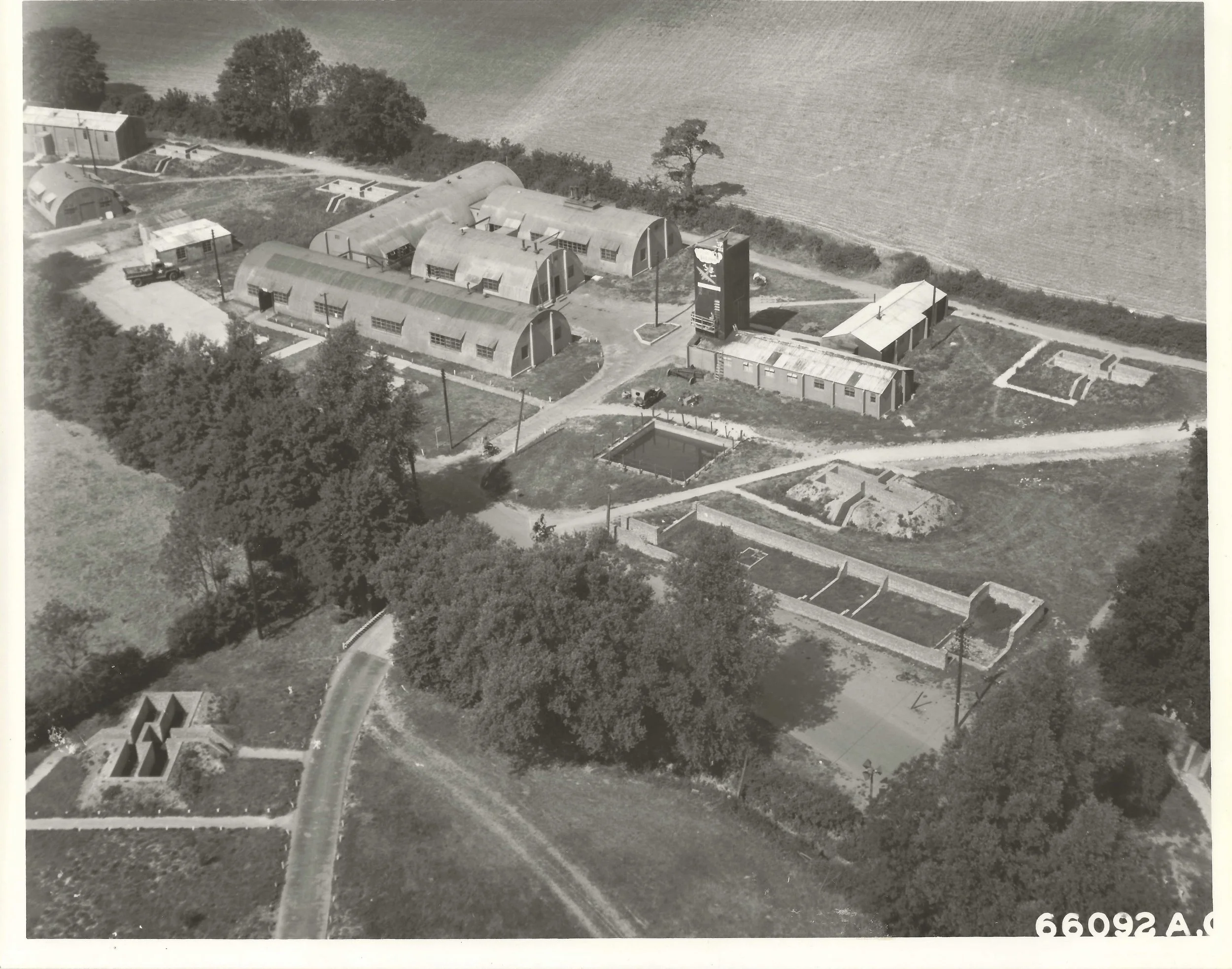
On the part of Site 3 that served as the Officers’ Mess, there was once a tennis court. In August 1944, it became the setting for an exhibition match between two well‑known Davis Cup players who had been drafted into the U.S. Army: Captain Frank Shields and Sgt. Charlie Hare. Moments like these were more than simple recreation — they offered the men a rare chance to relax, laugh, and feel normal for an afternoon. In a place where tension and loss were part of daily life, sport played a quiet but vital role in keeping morale steady.
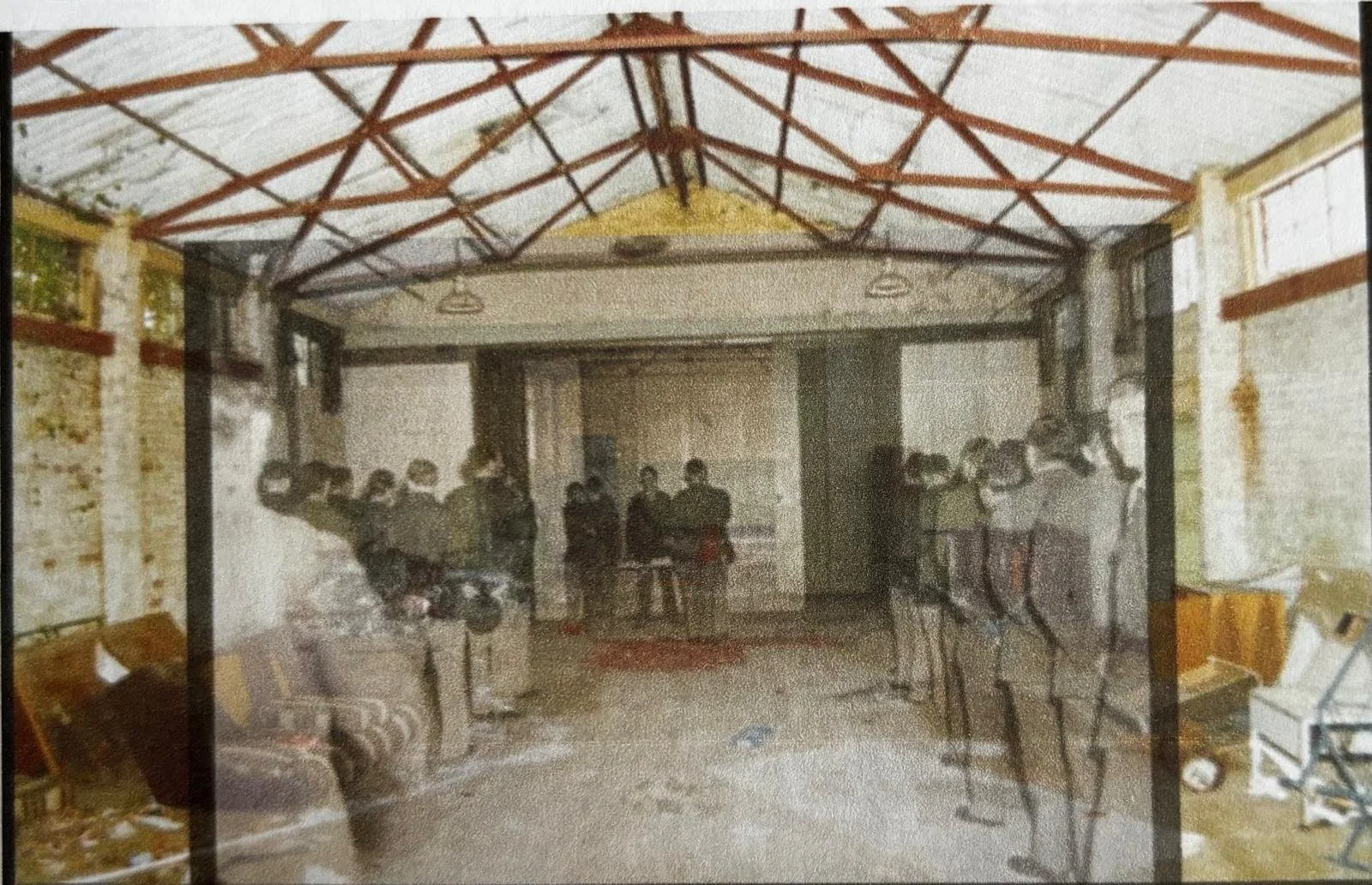
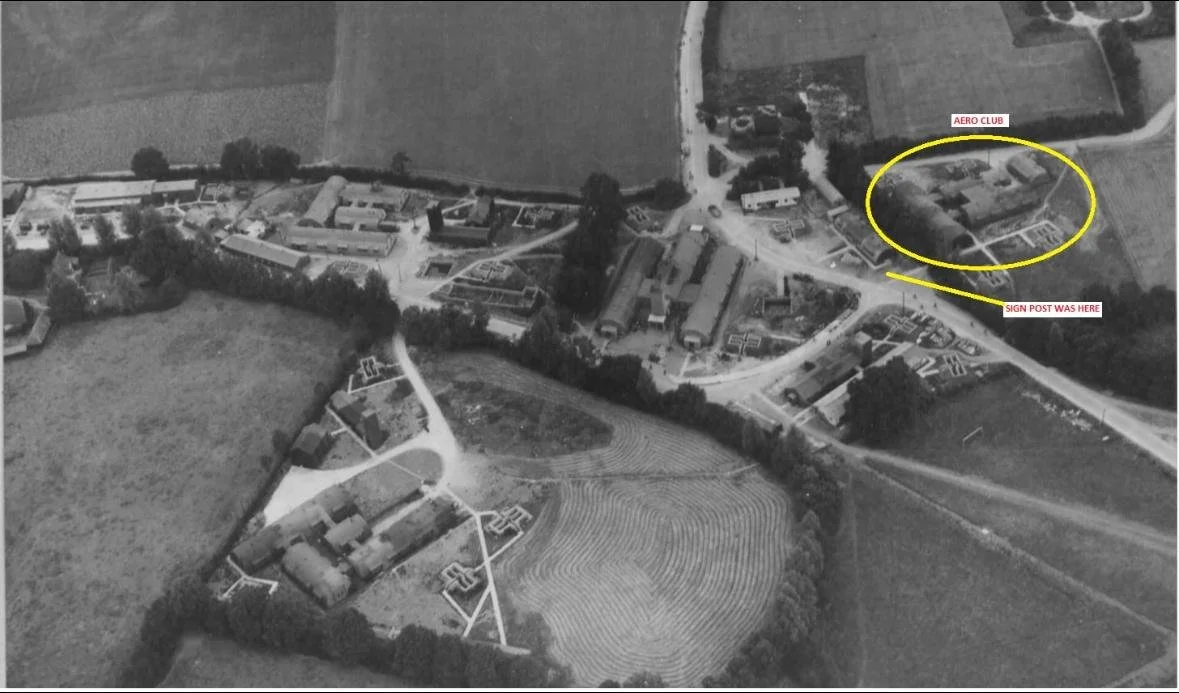
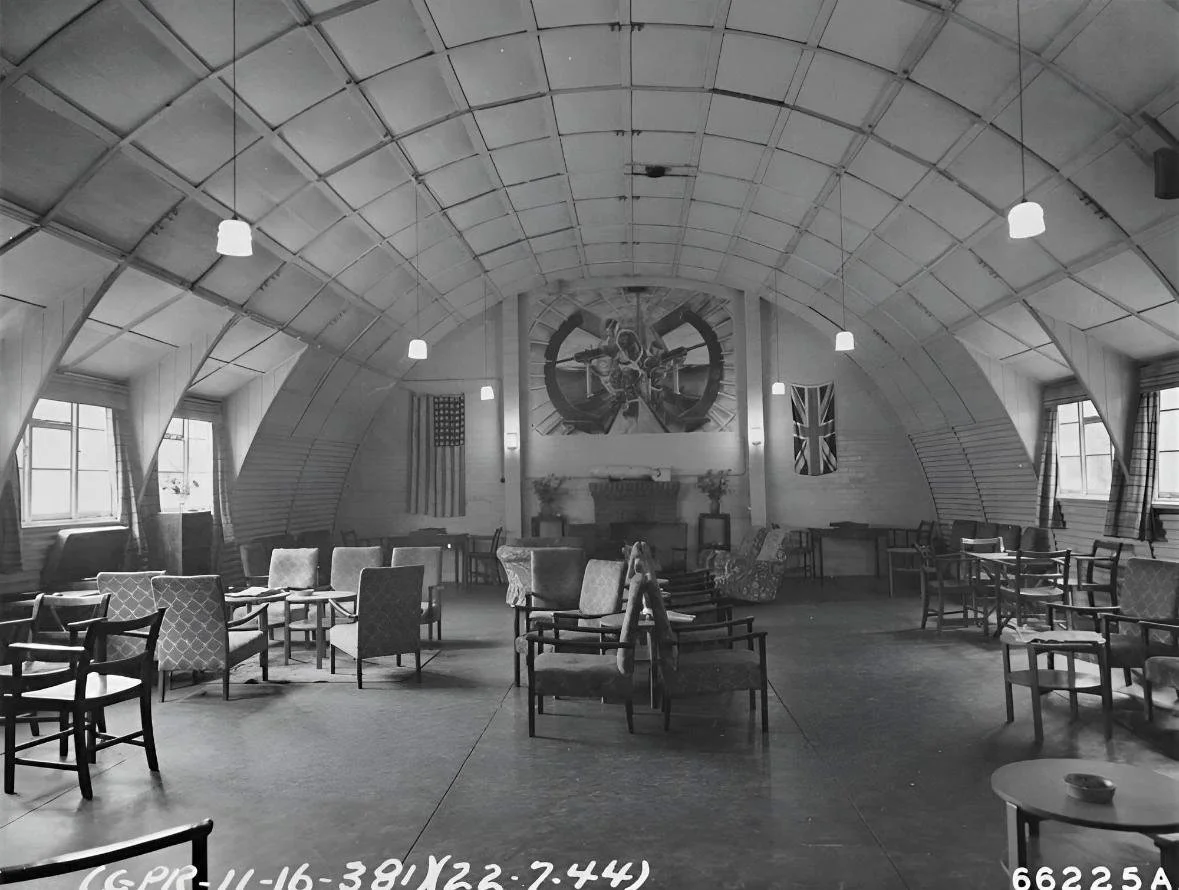
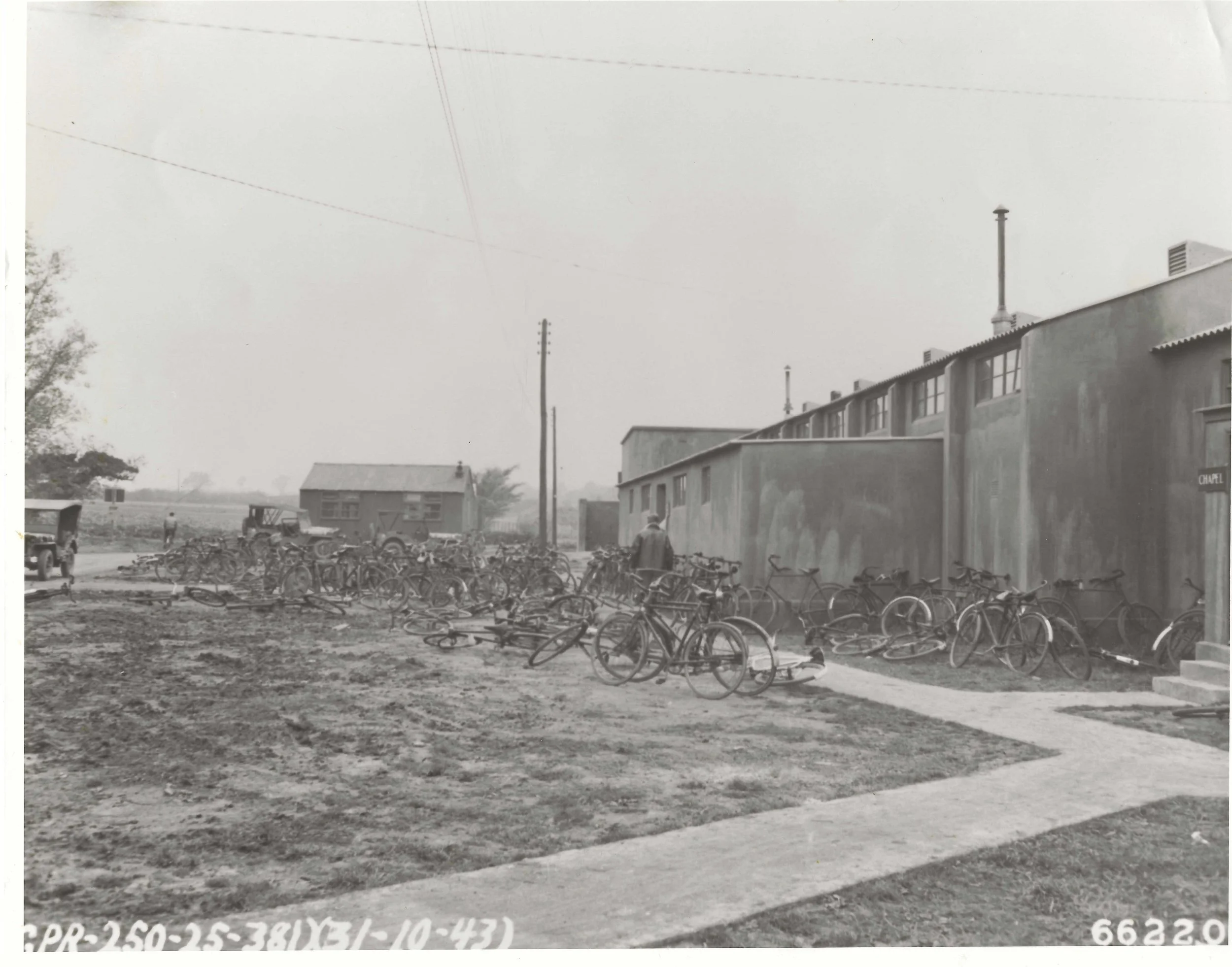
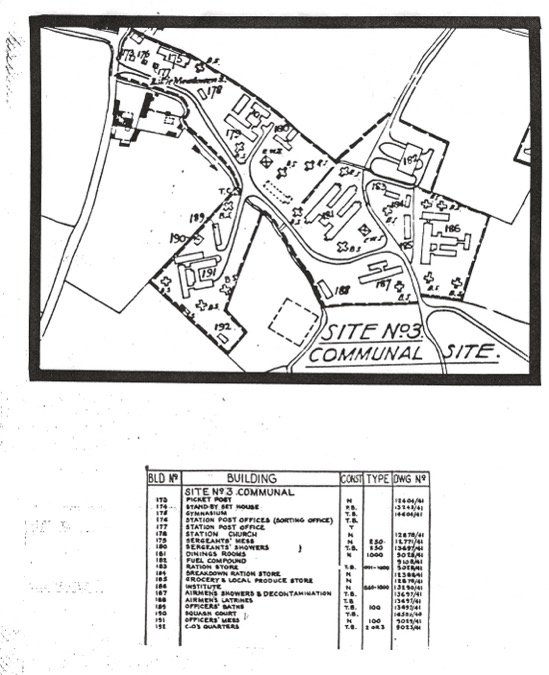
The gymnasium/chapel/cinema was one of the most important buildings at Ridgewell. Although it served several purposes, the men simply called it “the chapel.” It was here that many crews gathered to pray before flying their missions, seeking calm and courage in the hours before take‑off. The building also housed the 381st’s chaplain, James Good Brown, who lived and worked here. He was deeply respected by the men, attending almost every briefing over a two‑year period and always being ready with spiritual guidance, a steady presence, or a word of comfort.
This was also the place where Chaplain Brown kept the diary that later became his book, The Mighty Men of the 381st: Heroes All. Written within these walls, it remains one of the defining accounts of the 8th Air Force’s remarkable time at Ridgewell. The chapel was more than a multi‑purpose building — it was a centre of community, resilience, and hope.
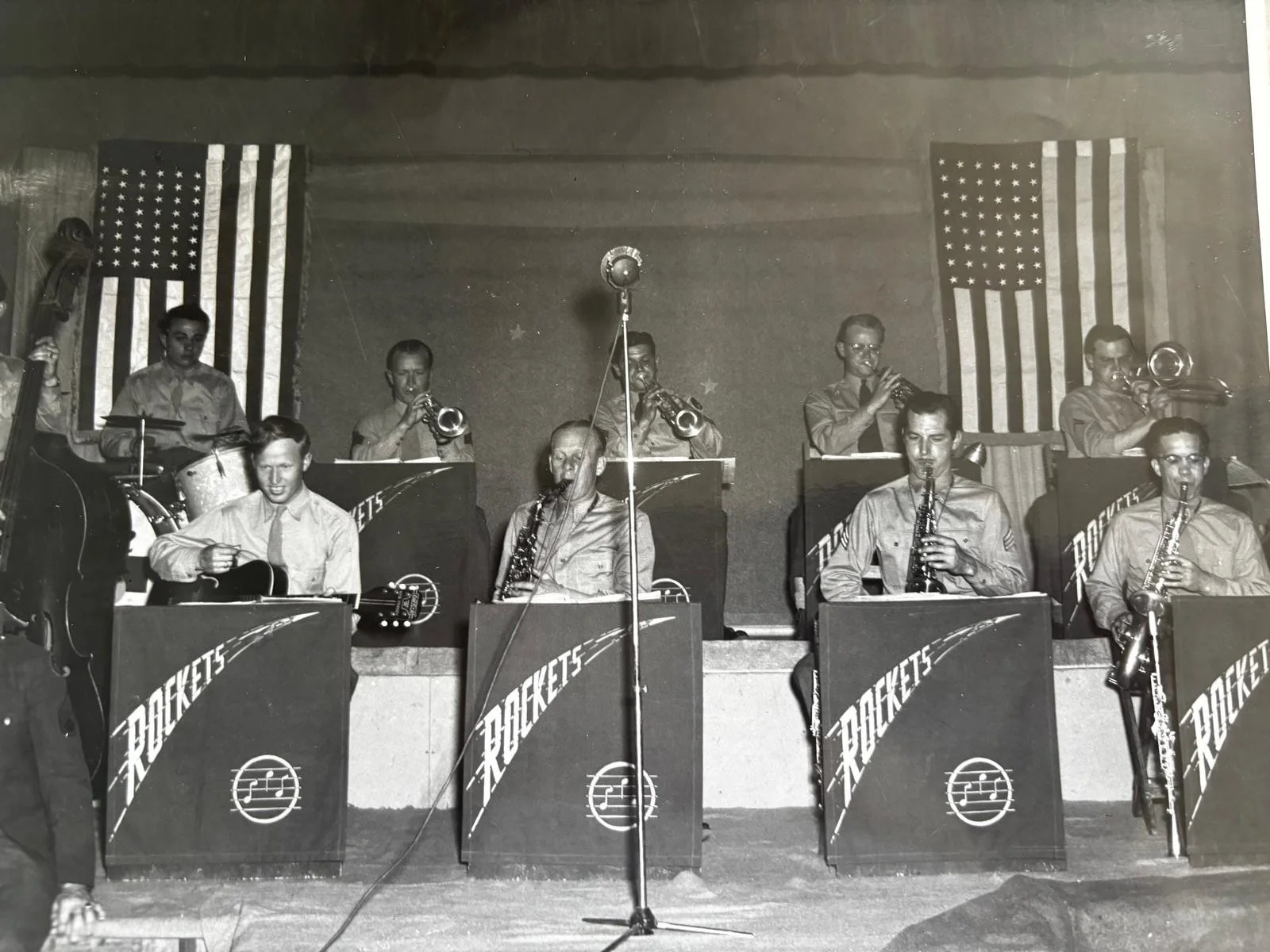
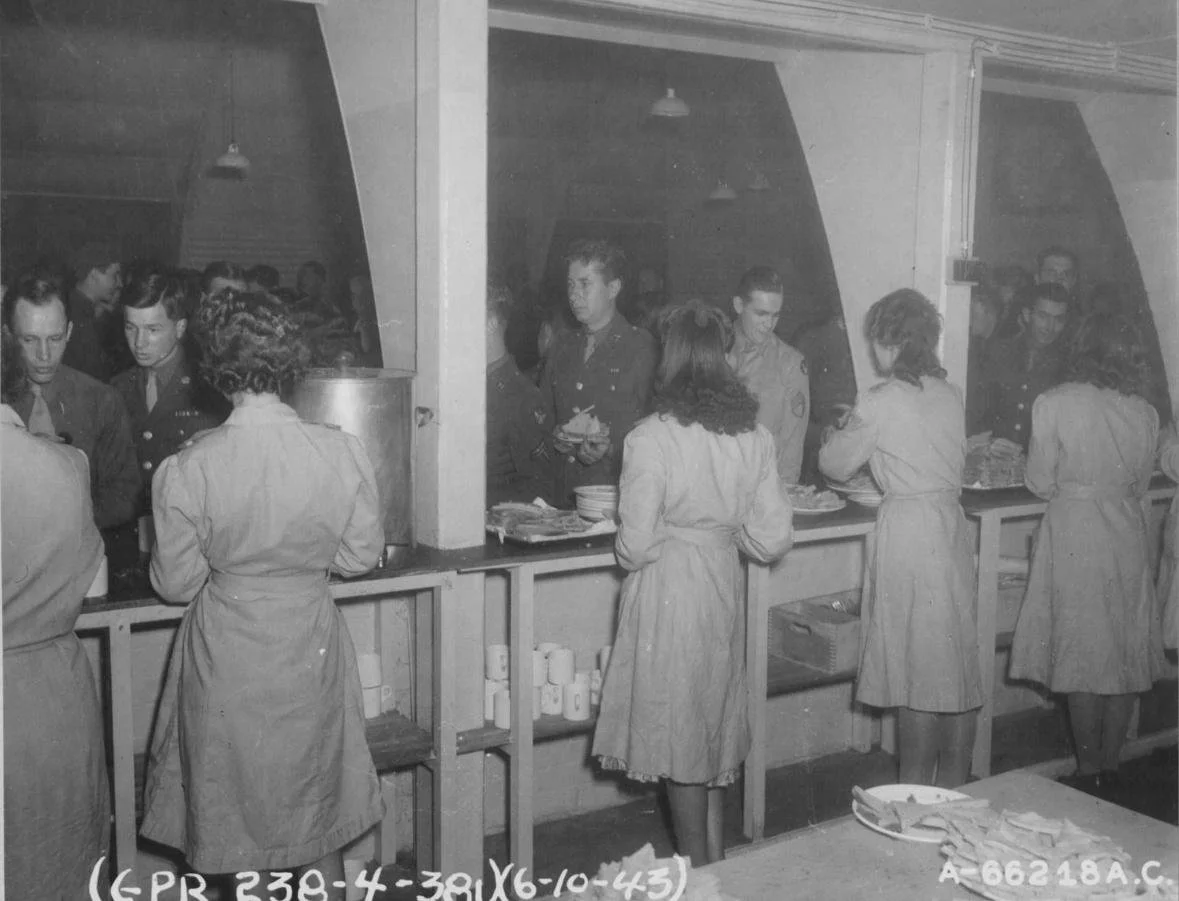
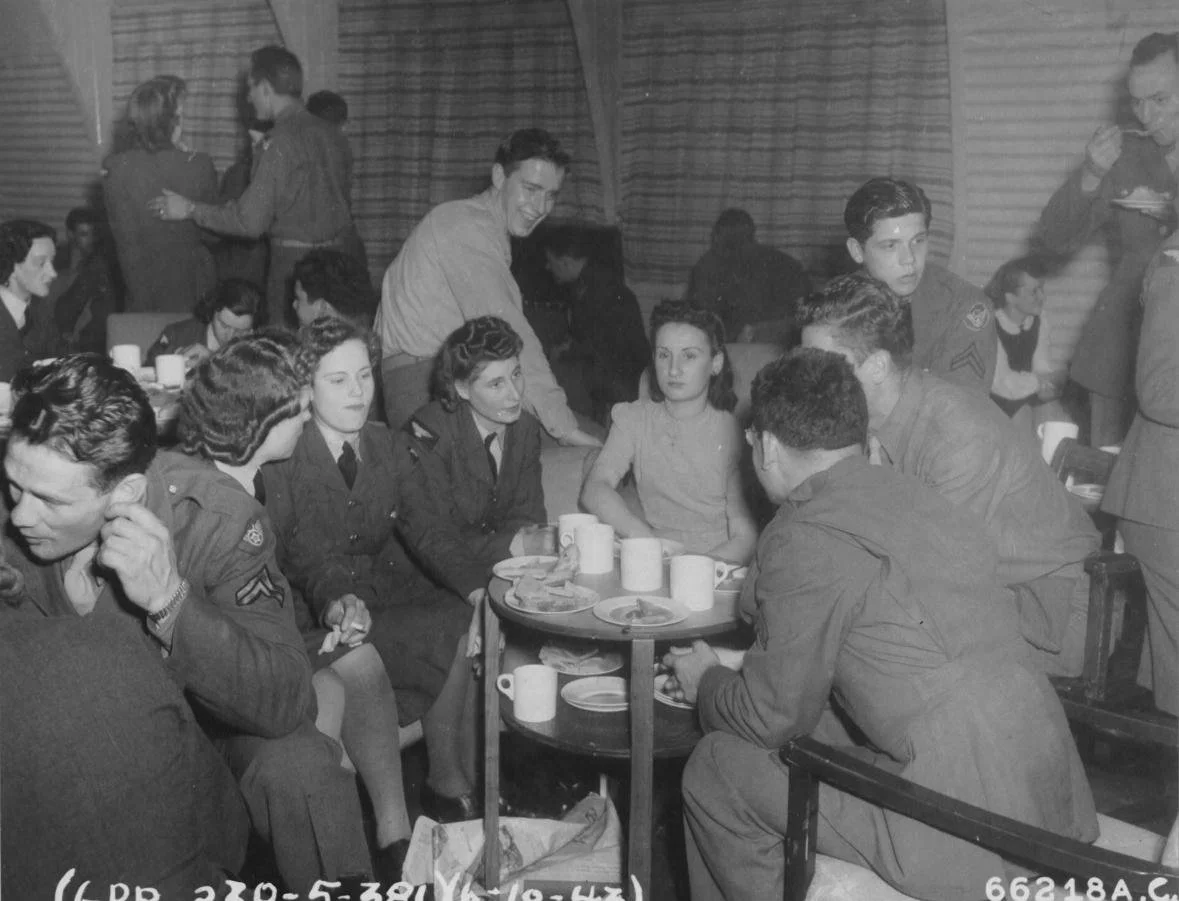
Dances were often held here at the chapel, and several barrels of beer were usually brought in to keep a few hundred men supplied for an evening of music, laughter, and brief escape from the pressures of wartime life.
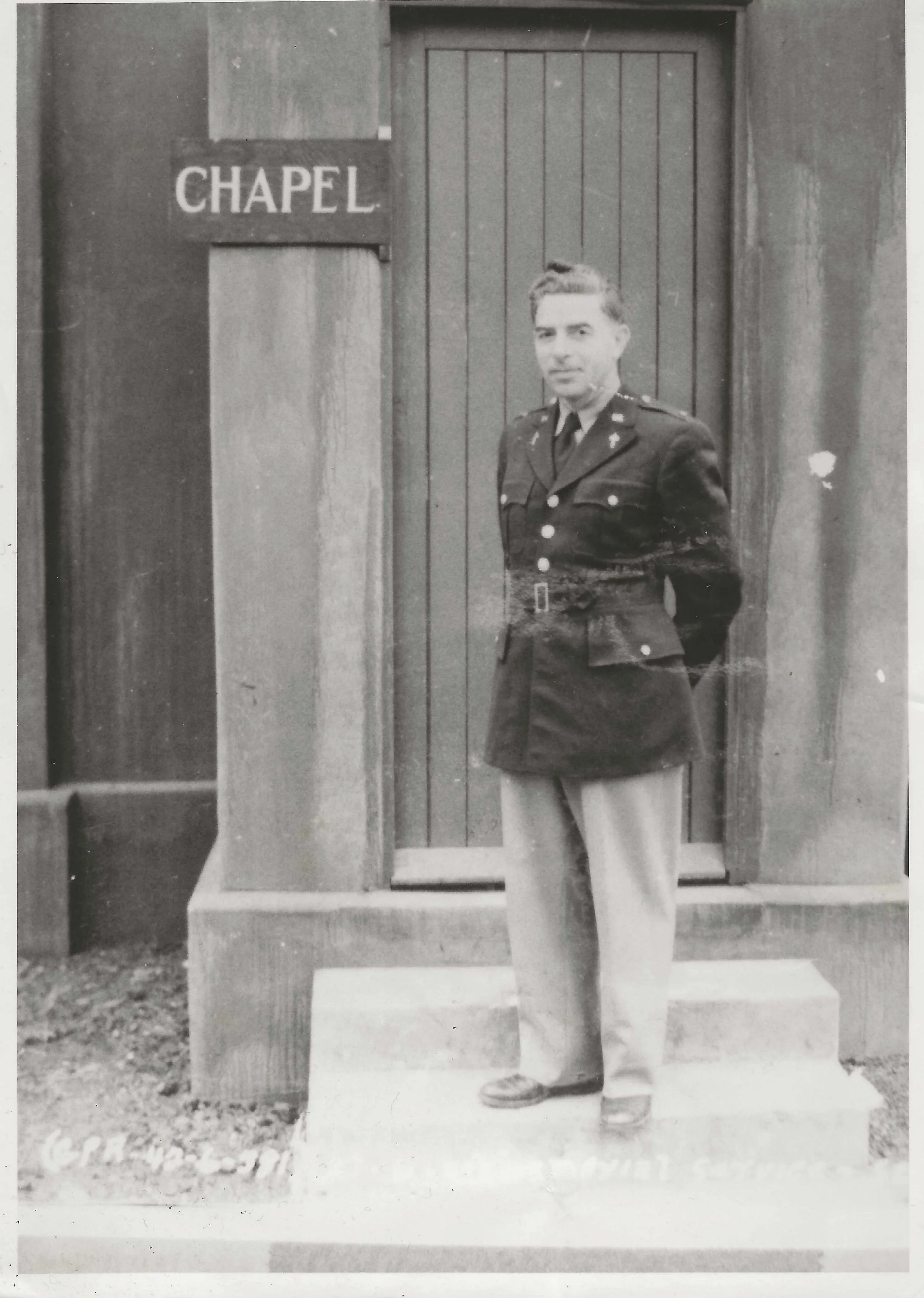
Chaplain James Good Brown